
TBI Hormonal Recovery Support
Helping Veterans, Athletes & Survivors Restore What Brain Trauma Disrupts
When the Brain Can No Longer Control Its Own Hormones
Traumatic Brain Injury — TBI — is not just an injury to tissue. It is an injury to the brain's ability to govern itself. Among the most consequential and least-discussed effects of head trauma is this: the brain loses its capacity to regulate the hormones that control nearly every system in the body.
This is the insight at the core of Dr. Mark Gordon's pioneering work in TBI neuroendocrinology, and it is the foundation of the recovery protocol we offer at The Khader Center.
Patients living with TBI often struggle for years with symptoms that don't fit neatly into a neurological diagnosis: fatigue that doesn't lift with rest, mood instability, cognitive fog, disrupted sleep, loss of motivation, changes in libido, and a general sense that something fundamental has shifted. These are not imagined. They are the hormonal footprint of a brain that can no longer do what it once did automatically.

“The brain is the master regulator of the endocrine system. When trauma disrupts that regulation — whether from combat, a car accident, a fall, or repeated sports collisions — the hormonal consequences can be profound, persistent, and frequently overlooked by conventional medicine.”
Who We See
We work with a broad spectrum of patients who have experienced head trauma in any form. TBI does not discriminate by setting or severity. Any significant impact to the head — regardless of whether it resulted in a formal diagnosis — can alter the brain's hormonal signaling.
Veterans & Active Military
We have a deep respect for the men and women who have served, and a clinical commitment to their recovery. Combat-related TBI — whether from blast exposure, physical trauma, or the cumulative effect of repeated concussive events — often goes unaddressed for years after service ends. The symptoms are real. The underlying hormonal disruption is measurable. And the recovery is possible with the right approach.
Athletes & Sports Injury Patients
Repeated subconcussive impacts — even those that never result in a formal concussion diagnosis — can accumulate over time and compromise the brain's hormonal regulation. We work with athletes across contact sports as well as patients recovering from a single significant sports-related head injury.
General Head Trauma Patients
Car accidents, falls, workplace injuries, assault — any event that involves a significant impact to the head can result in TBI and its downstream hormonal consequences. If you have experienced any of these and recognize the symptoms described here, a consultation with our team may provide answers you have not yet found elsewhere.

Our TBI Recovery Protocol
Our approach integrates three distinct but complementary clinical tools: precision hormone assessment via Zyto technology, targeted nutritional supplementation, and Quantum Reflex Analysis (QRA) mud pack therapy applied to specific head and facial points identified through bioenergetic testing. Together, these form a protocol designed not for a single episode of treatment, but for the ongoing work of recovery.
Zyto-Guided Hormone Assessment
Dina Khader uses Zyto bioenergetic technology to assess the specific hormonal needs of each TBI patient at each visit. This is a precise, individualized process — not a standardized protocol applied uniformly. Because hormonal needs shift as patients heal, as life circumstances change, and as the body adapts over time, bioenergetic assessment allows us to adjust the supplementation plan with accuracy at every session.
Nutritional Supplementation
Based on Dina's Zyto assessment and clinical evaluation, patients receive individualized supplementation recommendations targeting the specific hormonal deficiencies or imbalances identified. We use professional-grade, whole-food-based supplements — primarily from Premier Research Labs and Ortho Molecular — selected for their purity, bioavailability, and clinical track record.
Supplementation for TBI patients typically addresses adrenal and cortisol regulation, thyroid function, sex hormone balance, and the neurological co-factors that support brain repair and resilience. Every recommendation is tailored. Nothing is generic.
QRA Mud Pack Therapy — Head & Facial Points
Quantum Reflex Analysis (QRA) is a clinical system grounded in bioenergetic kinesiology that allows us to identify specific points on the body — and on the head and face — where trauma has created lasting interference in the body's biofield. These interference fields, if left unaddressed, can perpetuate symptoms and impede recovery even when nutritional and hormonal support is in place.
Andre Audant Jr., our QRA Level III Advanced Practitioner, applies therapeutic mud packs to the specific head and facial points identified through QRA O-ring testing. This specialized technique — developed and taught by Dr. Robert J. Marshall and Dr. Linda Forbes — is designed to clear energetic blockages at the site of old injuries, including those that occurred years or decades before. For TBI patients, this work at key meridian and acupuncture points in the cranial and facial region is a meaningful complement to the hormonal and nutritional support Dina provides.
“This is not a one-time fix. Hormonal balance is a moving target — one that requires ongoing attention, measurement, and adjustment. Life evolves. Our bodies evolve. The protocol evolves with them.”
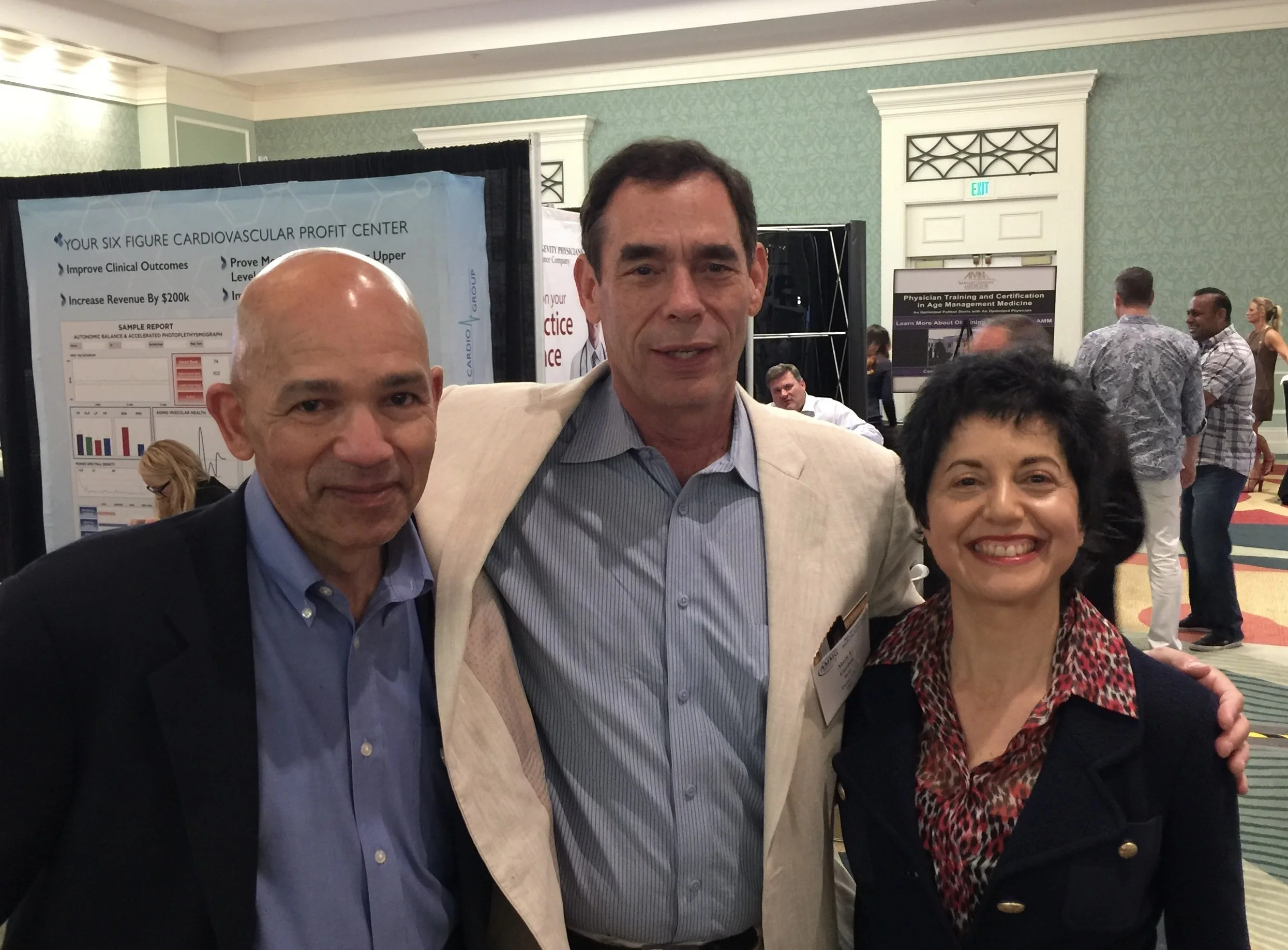
Our Connection to Dr. Mark Gordon
Dr. Mark Gordon is the world's foremost authority on the neuroendocrinological effects of traumatic brain injury — the study of how TBI disrupts the brain's control of the hormonal system. His clinical framework, centered on neuroendocrine restoration, holds that the path to TBI recovery runs directly through identifying and correcting the hormonal deficiencies that brain trauma leaves in its wake. He is the Medical Director of the Millennium Health Centers, a clinical advisor to the Warrior Angels Foundation, and the physician whose work has transformed how TBI is understood and treated in integrative and functional medicine.
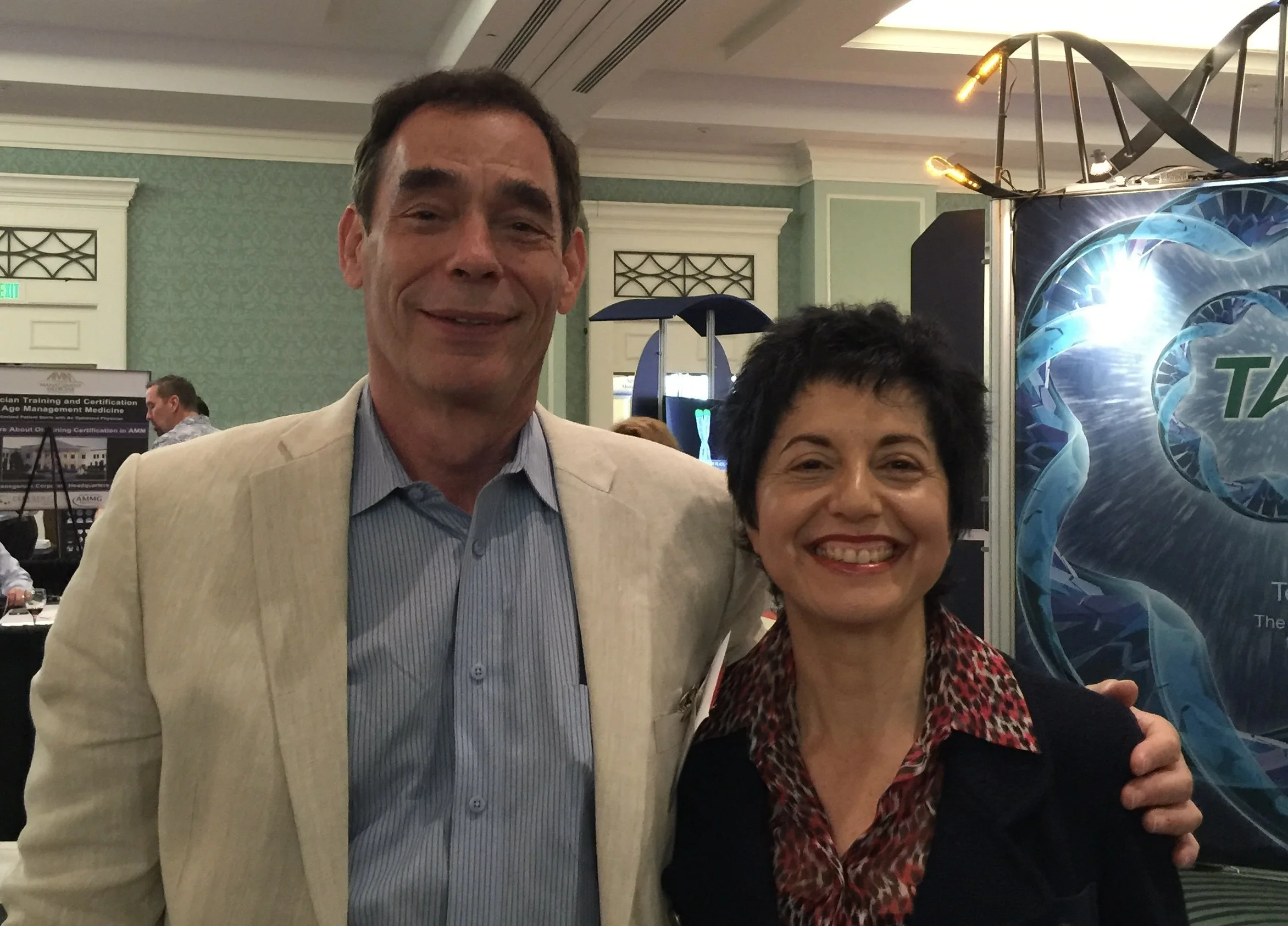
Dina Khader was personally invited by Dr. Gordon in May 2016 to join the Warrior Angels Foundation TBI Network — an invitation-only physician network dedicated to the hormonal treatment and recovery of veterans with TBI. Admission to this network required completing an intensive clinical seminar and passing a rigorous final examination that very few attendees successfully completed. For a nutritionist — a non-MD practitioner — to receive this invitation and recognition from Dr. Gordon is exceptional.
Andre accompanied Dina to this seminar, deepening his own understanding of the neuroendocrinological framework that guides their TBI protocol and strengthening the clinical partnership that makes this work possible.

What to Expect at Your First Visit
Your first visit at The Khader Center is a comprehensive, unhurried experience — structured to give us a complete clinical picture of where you are today, and to send you home the same day with everything you need to begin your neuroendocrine restoration protocol. Here is exactly how that visit unfolds:
Step 1 — Body Impedance Analysis (BIA)
We begin with a Body Impedance Analysis to establish your baseline measurements of body fat, lean muscle mass, and cellular hydration. This gives us an objective starting point — a benchmark we return to over time to track how your body is responding as the protocol progresses.
Step 2 — Blood Typing
If your blood type is not already on file, we conduct a simple in-office blood type assessment. Your blood type informs the dietary framework Dina uses when building your personalized meal plan — an approach grounded in the individualized nutrition principles of Dr. Peter D'Adamo's Blood Type Diet system.
Step 3 — Zyto Biocommunication Evaluation with Dina
Dina conducts a full Zyto biocommunication evaluation — a precise, individualized scan that identifies your body's current hormonal priorities and nutritional needs. This is the clinical heart of the TBI protocol. For patients with head trauma, this evaluation is particularly focused on the hormonal systems that the injured brain can no longer regulate reliably: adrenal function, cortisol balance, thyroid signaling, and sex hormone equilibrium.
Step 4 — One-on-One Consultation with Dina
Dina reviews all findings with you directly — in a private, unhurried one-on-one consultation. She walks you through exactly what the biocommunication evaluation revealed, which supplements she is recommending, why each one is indicated, and precisely how and when to take them. She also prepares a personalized daily meal plan tailored to your blood type, your clinical picture, and your recovery goals.
Step 5 — Full QRA Mud Pack Evaluation with Andre
Andre Audant Jr. conducts a full Quantum Reflex Analysis evaluation using QRA O-ring kinesiology testing to identify the specific head and facial points where prior trauma has created lasting energetic interference fields. This assessment maps exactly where mud pack therapy needs to be applied — and in what sequence — to support the brain's own healing process alongside the hormonal restoration Dina is directing.
Step 6 — First Mud Pack Session (Same Day or Next Available)
Whenever possible, we begin mud pack therapy the same day as your evaluation. If scheduling requires it, we book your first mud pack session as soon as possible — because we do not want to delay this work. The mud pack protocol and the hormonal supplementation protocol work together; the sooner both are in motion, the sooner recovery can begin.
Step 7 — You Leave Ready to Start
Before you walk out the door, you have everything you need: all recommended supplements from our in-office inventory, drawn from the professional-grade product lines we trust — primarily Premier Research Labs and Ortho Molecular. You leave with a written supplement plan, a daily meal plan from Dina, and a clear schedule for your follow-up visits. Nothing is left vague.
Step 8 — Follow-Up Check-In & First Return Visit
Within a few days of your first visit, we schedule a brief five-minute check-in call to make sure you are clear on your protocol and to answer any questions that arose once you got home. Your first formal follow-up consultation with Dina is typically scheduled two to three weeks out — at which point we reassess, re-evaluate with Zyto, and adjust your protocol based on how your body is responding. And at any point between visits, you are always welcome to call us. That is not a formality — it is how we work.
“Neuroendocrine restoration is a process, not an event. Your first visit sets the foundation. Every visit after that builds on it — adjusting, refining, and advancing your recovery as your body responds and your needs evolve.”
If you or someone you love has experienced head trauma — in any setting, at any point in life — and continues to struggle with symptoms that conventional medicine has not fully addressed, we invite you to reach out. The hormonal consequences of TBI are real, they are measurable, and for many patients, they are reversible with the right support.
Begin Your Recovery
The Khader Center for Integrative Nutrition 914-242-0124 · dinakhader.com · Mount Kisco, NY
To schedule a TBI consultation, call us or use the contact form on our website.