
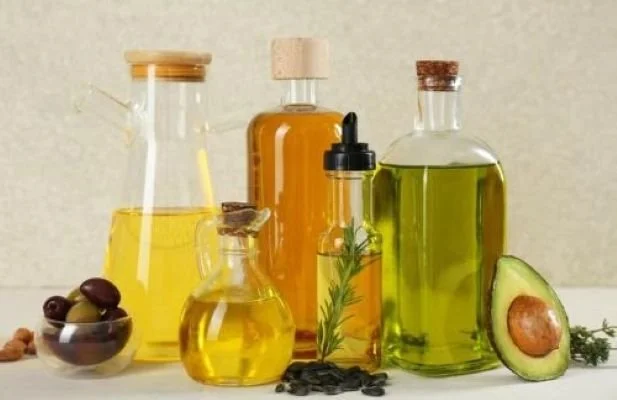
You have probably seen the headlines. Are seed oils toxic? Are they fine? I want to give you my honest, clinical perspective. Not just what the mainstream says, but what I see in my patients and what the emerging science is telling us.
Major health institutions argue that seed oils are safe, even beneficial. I do not dismiss that research entirely. But I believe it significantly understates a problem I address every day in my practice.
The Core Issue: Omega-6 versus Omega-3
Seed oils are extremely high in omega-6 fatty acids. In reasonable amounts, omega-6 is an essential nutrient that your body cannot make it on its own. The problem is modern life has pushed our omega-6 to omega-3 ratio to somewhere between 10:1 and 20:1 when the healthy target is closer to 2:1.
In my clinical view, this is not a minor imbalance. When omega-6 overwhelms the omega-3 pathway in the body, the result is systemic inflammation, including neuroinflammation affecting brain health and function. That chronic inflammatory state is, in my assessment, a meaningful driver of conditions I treat regularly: hormone dysregulation, cardiovascular disease, blood sugar instability, autoimmune disorders, and more. The link between chronic inflammation and cellular damage is well established and I consider excessive seed oil consumption a significant contributor.
How Seed Oils Are Made
The majority of commercial seed oils — canola, soybean, sunflower, corn, safflower — are extracted using a petroleum-derived chemical solvent called hexane. The industry argues that virtually all of it is removed during refining. Here is what I want you to know about that reassurance:
Hexane residues have been detected in dozens of commercially available food products, including vegetable oils
Hexane is linked to nervous system, reproductive system, and endocrine (hormone) disruption
Europe’s food safety authority launched a formal re-evaluation of hexane safety in 2024, specifically because the existing toxicology studies do not adequately reflect long-term, low-level consumer exposure
The FDA does not currently regulate or even monitor hexane residue in food oils
No regulatory body has ever established a tolerable daily intake for hexane consumed through food
Beyond the hexane, the high-heat refining process that follows strips the oil of its natural antioxidants, vitamin E, and protective compounds leaving a nutritionally degraded product that is also more prone to oxidation and breakdown in the body.
Seed Oils And Hormone Disruption
This is a clinical priority for me — particularly with my fertility patients — but it extends to everyone. I consider seed oils to be endocrine-disrupting: they interfere with the body’s hormone signaling. The combination of omega-6 imbalance, chemical processing residues, and the oxidative instability of these oils creates a burden on the hormonal system. What I recommend to protect fertility, I also recommend for immune function, metabolism, mood, and long-term health. The principle is the same.
On Ultra-Processed Foods: Stop Letting Them In
The dominant vehicle for seed oil consumption in the American diet is ultra-processed food such as packaged snacks, frozen meals, fast food, bottled salad dressings, baked goods, and most restaurant cooking.
My recommendation is to eliminate ultra-processed foods entirely.
Practical Recommendations
Avoid commercially refined seed oils — particularly canola, soybean, corn, cottonseed, and safflower in their standard supermarket form.
If you do use seed oils, choose only cold-pressed or expeller-pressed versions, which use no chemical solvents and preserve more nutrients.
For everyday cooking, I recommend extra virgin olive oil, raw unrefined organic coconut oil, or grass-fed butter/ghee as cleaner alternatives.
Aggressively increase omega-3 intake: wild-caught fatty fish 3 to 4 times per week, walnuts, flaxseed, chia seeds, and/or a high-quality omega-3 supplement.
Eliminate ultra-processed foods. If it comes in a package with more than five ingredients, reconsider it.
Fertility patients and those with hormone-sensitive conditions should treat seed oil avoidance as a clinical priority.
The Bottom Line
I am not asking you to accept a social media trend. I am asking you to consider the weight of what is accumulating in the science: unresolved questions about chemical residues with no established safe intake level, a documented disruption in the omega-6-to-omega-3 balance with known downstream effects on inflammation and hormones, and a processing method that degrades the nutritional integrity of the oil before it reaches your plate.
As always, I welcome your questions and am here to discuss how these recommendations apply specifically to you. Please share this alert with friends and family.