
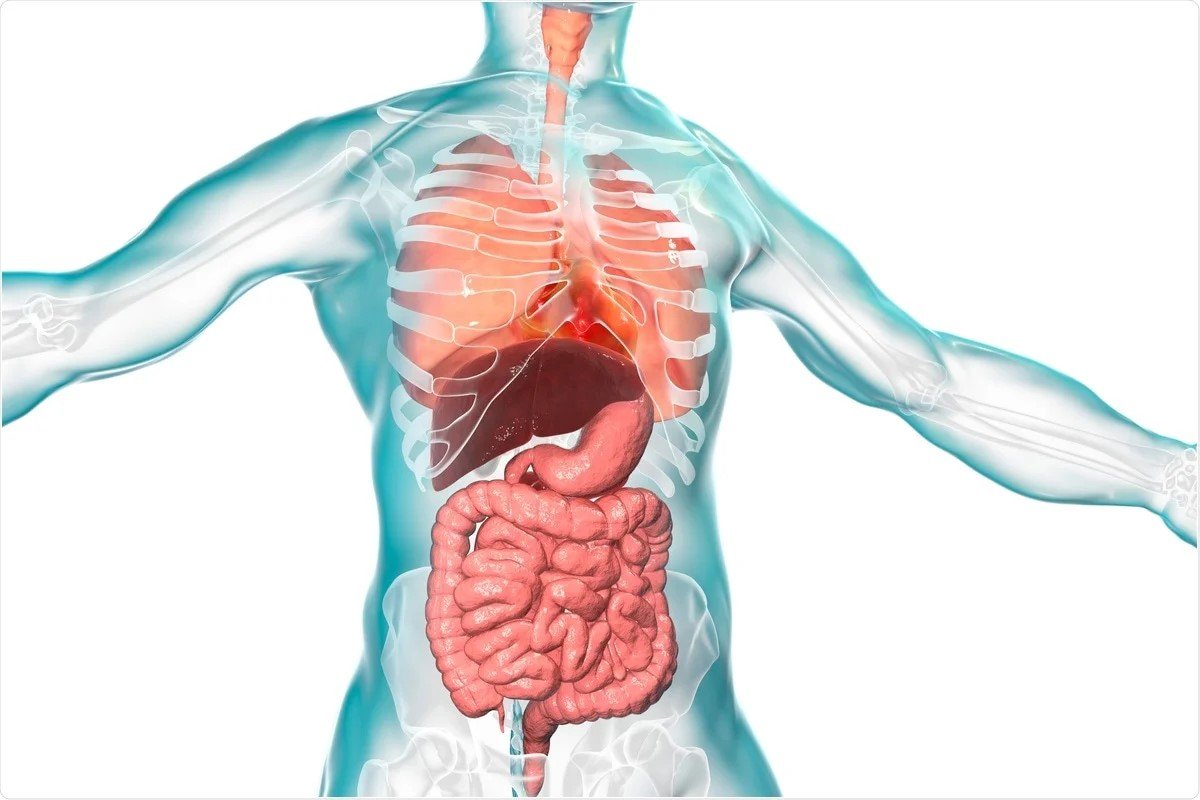
What if your chronic cough, your asthma, your lingering fatigue after COVID — had as much to do with your digestive system as with your lungs? New science says: it does.
This is not a theory. It is now well-documented science.
WHAT IS THE GUT–LUNG AXIS?
Both your gut and your lungs harbor their own distinct microbial communities — trillions of bacteria, fungi, archaea, and viruses that perform essential functions. Your colonic microbiome ferments dietary fiber into critical compounds called:
Suppress lung inflammation — reducing airway hyperreactivity and tissue damage.
Strengthen immune homeostasis — keeping the immune system calibrated, not overreactive.
Inhibit harmful enzyme activity — protecting lung cell integrity.
Induce lung tumor cell death — with potential protective effects against lung cancer.
The gut also produces tryptophan metabolites (indole compounds) and secondary bile acids that act as powerful anti-inflammatory signals in the lungs — activating receptors that calm immune overreaction and protect against acute lung injury.
“A high intake of dietary fiber leads to greater production of protective compounds by the gut microbiota — and a higher delivery of those compounds to the lung.” — Beyoğlu & Idle, Biomolecules, 2026
This is not coincidence. The gut and lungs share a common embryological origin — they both developed from the same primitive tissue in the earliest weeks of your life. They have been communicating ever since.
WHY THIS MATTERS FOR CONDITIONS YOU MAY ALREADY HAVE
This new review examined the gut–lung connection across eight major pulmonary conditions. The findings were consistent and striking:
Asthma: Gut dysbiosis promotes the inflammatory pathway (Th2) that drives asthma risk. African children eating high-fiber diets showed dramatically lower asthma rates than their Western counterparts.
COPD: Patients are frequently deficient in the nutrients — fiber, vitamins C, D, and E, polyphenols — needed to maintain healthy gut bacteria. Processed meat consumption was specifically linked to higher COPD risk.
COVID-19 & Long COVID: The SARS-CoV-2 virus attacks the gut directly via ACE2 receptors. The resulting gut dysbiosis correlated with higher COVID severity, systemic inflammation, and persistent Long COVID symptoms — even after the respiratory infection cleared.
Lung Cancer: Reduced gut bacteria that produce butyrate (such as Faecalibacterium prausnitzii) was linked to higher non-small-cell lung cancer risk. The gut microbiome can either inhibit or enhance lung cancer development.
Interstitial Lung Disease: Reduced gut microbial diversity and increased pro-inflammatory gut bacteria correlate with higher disease severity and poorer outcomes.
Pneumonia, TB, Cystic Fibrosis: Each shows clear evidence of gut microbiome involvement in susceptibility, severity, and recovery.
WHAT IS DAMAGING YOUR GUT–LUNG AXIS RIGHT NOW?
Three lifestyle factors were singled out in this research for their destructive impact on both the gut and lung microbiomes simultaneously:
A low-fiber, processed food diet — directly reduces the beneficial gut bacteria that produce protective SCFAs. This is the single most impactful dietary change you can make.
Tobacco smoking — disrupts gut bacteria, reduces beneficial microbes, alters SCFA production, and causes gut dysbiosis on top of direct lung damage.
Electronic cigarettes and vaping — reduce bacterial diversity in both the gut and lungs, increase pathogenic bacteria like Staphylococcus aureus, and drive inflammation. Despite their reputation as a “safer” alternative, the evidence on microbiome damage is clear.
WHAT YOU CAN DO — STARTING THIS WEEKEND
The good news is that the gut microbiome is highly responsive to dietary change. Here is what the science — and my clinical experience — supports:
Increase dietary fiber aggressively. Fruits, vegetables, legumes (including beans), and whole grains are not optional extras — they are the primary fuel for the gut bacteria that protect your lungs. Think of fiber as medicine.
Eat fermented foods. Sauerkraut and kimchi support microbial diversity and are excellent choices. Note: It is best to avoid fermented dairy products such as yogurt and kefir — these are not the right source for most people.
Eliminate or dramatically reduce processed meat. The research on COPD risk is direct and unambiguous.
Prioritize vitamins C, D, and E through food and targeted supplementation. These micronutrients sustain the microbial balance your lungs depend on.
Protect your gut during and after any antibiotic use. Antibiotics are sometimes necessary — but their collateral damage to gut microbiota is real and must be addressed proactively. Always take a high-quality probiotic during and after any course of antibiotics to help restore your microbial balance.
If you vape, understand the risk clearly. The respiratory microbiome disruption from electronic cigarettes mirrors that of tobacco in meaningful ways. This is not a safe harbor.
A FINAL WORD FROM ME
For over three and a half decades, I have approached patient health through the lens of the whole person — understanding that digestion, immunity, detoxification, and respiratory function are not separate systems but a deeply interconnected whole. The emerging science of the gut–lung axis is a confirmation of what integrative nutrition has long understood.
If you are dealing with chronic respiratory symptoms, have a history of asthma or COPD, experienced a difficult COVID-19 illness, or simply want to build stronger immune resilience, I encourage you to schedule a consultation. The path to better lung health may begin with a conversation about what you are eating.